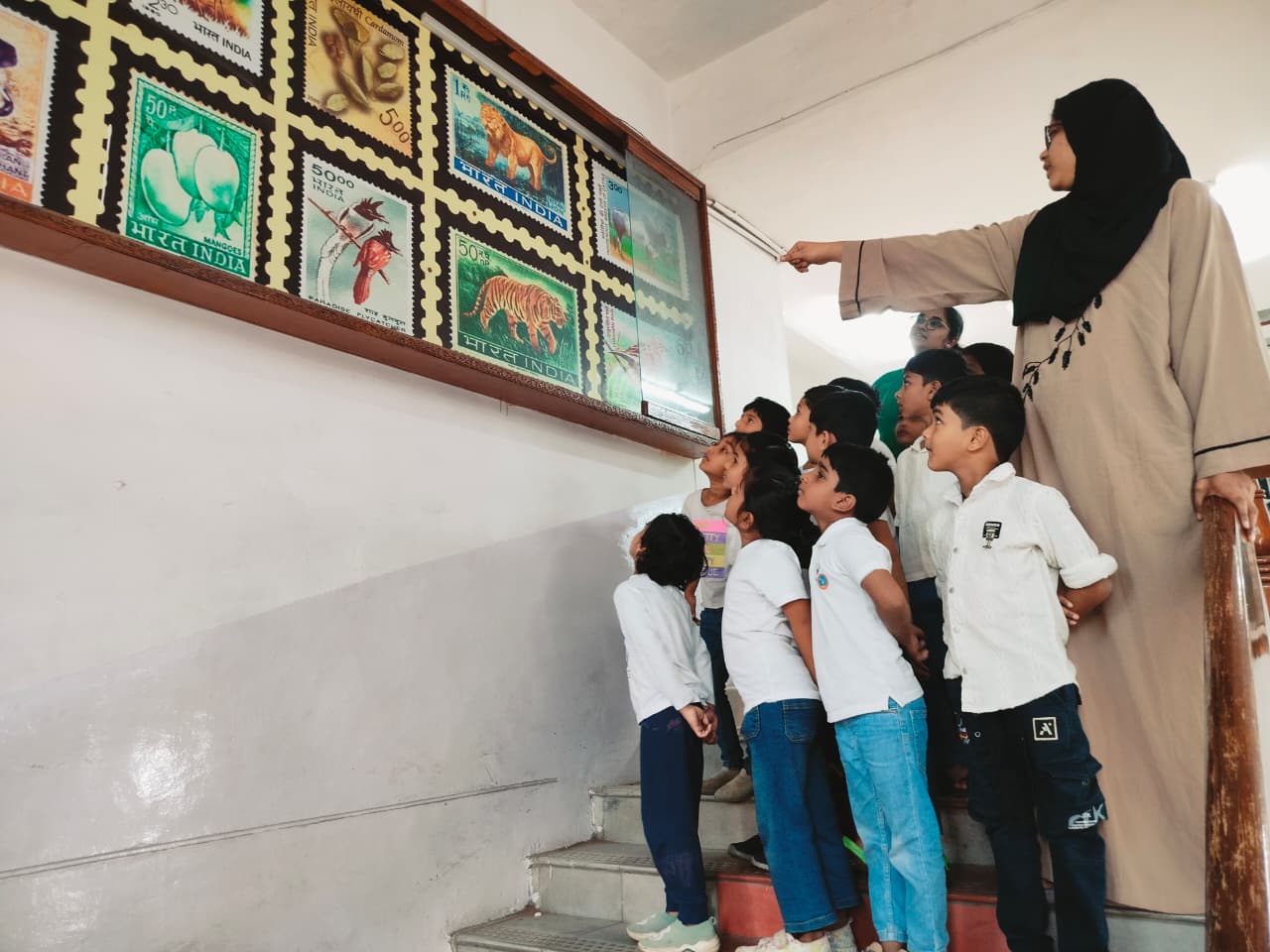
Nowadays, child-centred education is based on the concept that the teachers and parents encourage the students to learn by following their own pace without pressuring them with exceptional external academic standards. A study regime keeping the child-centred education concept in mind is often structured as per the students' interests and their personalised requirements. The traditional teaching methods often yield unnecessary pressure on the child, and eventually, they lose interest in studying. This conventional method is also not giving the desired results to the children. The traditional teaching methods result in mental havoc for children, parents, and teachers. In contrast, child-centred education engages the students in their studies and helps them learn with joy. The children, too, can achieve their desired results if the child-centred education system is genuinely followed.
Every class, including Second class admission 2026-27 Guntur and other cities of India, is now offering this child-centred education system promoting a healthy teaching and learning environment. The reversal of the traditional teaching system where a teacher-centred understanding and learning were in action is coming to a closure with the introduction of this child-centred education. Students are now put first and at the learning process's centre.
Let us now explore some of the benefits of child-centred education.
The teachers must bring forth the students and ask them to take the lead. The teachers must involve the students in group discussions to help them grow interested in learning. The students must be encouraged to brainstorm facts about the given topic, helping them enhance their imagination skills. All of these are implemented in child-centred education classrooms helping in child development.
Teachers engage in active learning with the students to identify their development areas and help polish them. A core idea of child-centred education is achieving holistic growth of a child, which is possible by actively working on the child's areas of development.
Playing is a crucial part of child-centred education. It stimulates brain development, enhances social interaction, helps develop critical thinking skills, and boosts a healthy learning environment for the child. The child learns to follow the rules, and learning is fun when playing is an active part of the teaching process.
Thus, implementing child-centred education comes with challenges, but India is breaking the norms and is advancing into a progressive education system that helps in boosting child development.
1. What is child-centred education?
Child-centred education focuses on learning at a child’s own pace, based on their interests, abilities, and individual needs rather than rigid academic standards.
2. How is child-centred education different from traditional teaching methods?
Unlike traditional teacher-led methods, child-centred education prioritizes student participation, creativity, and active learning, reducing pressure and increasing engagement.
3. What are the benefits of child-centred education for children?
It promotes confidence, critical thinking, social skills, creativity, and overall holistic development while making learning enjoyable.
4. How does play support child-centred learning?
Play enhances brain development, encourages social interaction, improves problem-solving skills, and makes learning fun and meaningful.
5. Why is child-centred education important in early schooling?
It helps children build a strong foundation by nurturing curiosity, independence, and a love for learning from an early age.