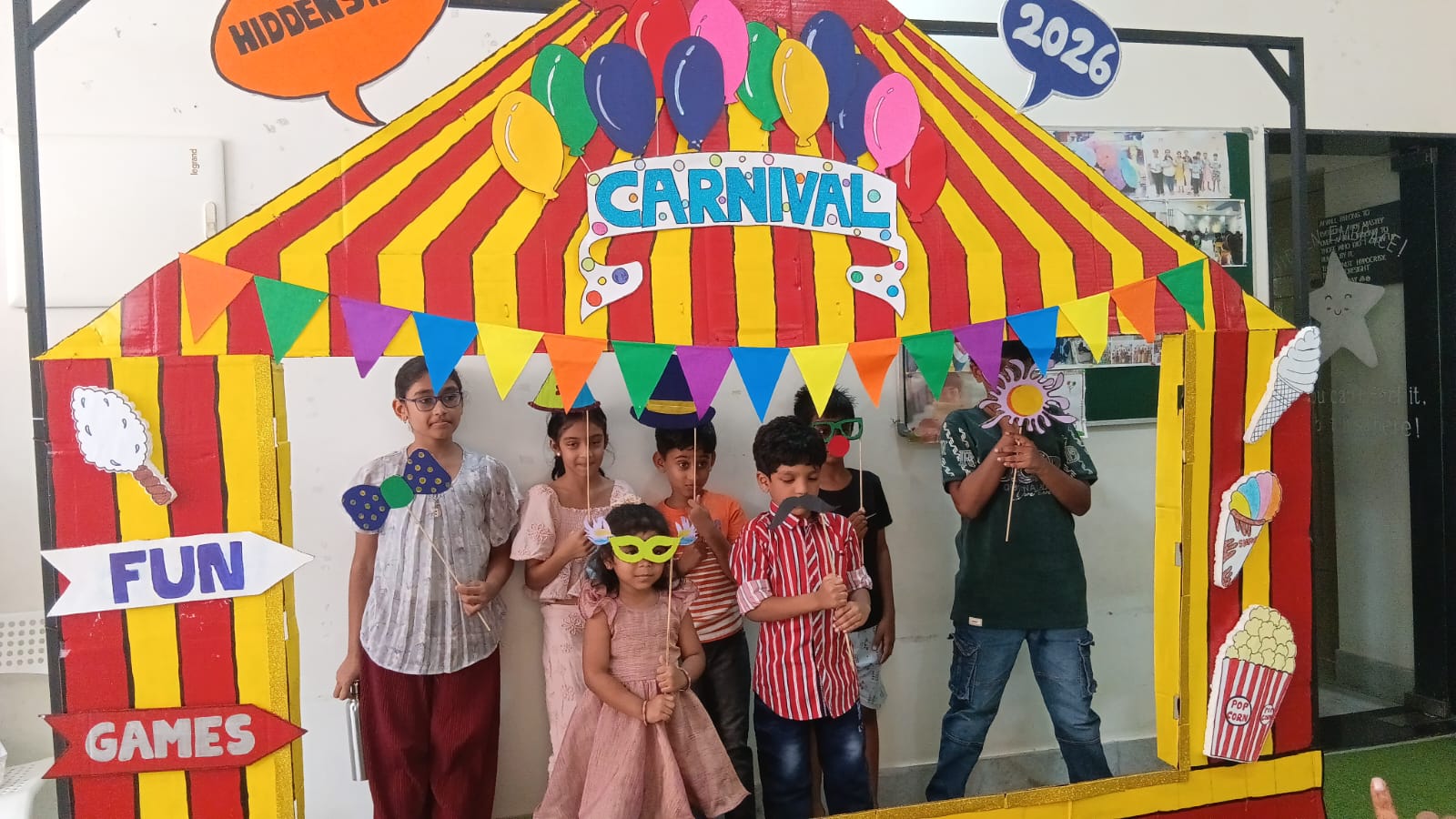
How Montessori School is Helpful for Children to Start their Schooling with Colours

A Montessori school develops and encourages the natural interests of a child. Montessori School Admission is given to children in the age group of 2-3 years. Founded by Dr. Maria Montessori, Montessori schooling allows learning in a supportive and well-established environment.

Common Features noticed in a Montessori Classroom

The most common and essential features that you might have in a Montessori classroom are as follows:

  • The design and get-up of a Montessori classroom should be child friendly. The activity area, the furniture, and the fixtures of the school should be child-sized.
  • Children are always in a sugar rush and are encouraged to pursue their activities. Therefore a Montessori classroom should be equipped with multiple activity areas. The idea is mainly to support various tasks at the same time.
  • Another feature of a Montessori classroom is it encourages the children to learn and explore several things. The classroom should provide that space and amenities to allow a child to explore an activity they desire.
  • The teachers of a Montessori classroom should be much more observant than other traditional classroom teachers. The highly attentive teacher discovers qualities in every child and helps them pursue their way accordingly.

The Areas of a Montessori Classroom

A Montessori classroom is arranged in a manner that corresponds with the five curriculum areas of education. You can judge a Montessori school if it is good by these areas.

  • The Language Area is one of the five areas we are talking about. This section of the classroom teaches a child alphabetical letters, how to read them, and phonic sounds.
  • The next is the sensory area. Here the children are taught to identify colours, shapes, smell, sound, temperature, etc. Their five senses are enhanced in this area of the classroom.
  • The math area is one of the most critical areas in a Montessori classroom. Montessori mathematics materials are meant for self-correcting. It allows a child to learn independently.
  • The cultural studies area teaches a child about the surrounding society and the greater world.
  • The practical life area in a Montessori classroom teaches philosophy and independence.

Conclusion

The Montessori schooling is programmed for little children's colourful and creative learning. Here the children can explore and discover knowledge. This schooling format helps in developing maximum potential in children. In several Montessori school Guntur encourages all the discussed factors for a better upbringing of children.

FAQs

1. What is Montessori education and how does it help children?
Montessori education focuses on self-directed learning, creativity, and hands-on activities, helping children develop independence and a love for learning.

2. At what age can a child join a Montessori school?
Children typically start Montessori education between 2 to 3 years of age.

3. How does Montessori teaching help children learn colours?
Through sensory activities, visual materials, and hands-on exploration, children learn to identify and understand colours naturally.

4. What are the main areas of a Montessori classroom?
The five key areas include language, sensory, mathematics, cultural studies, and practical life skills.

5. Why are Montessori classrooms child-friendly?
They are designed with child-sized furniture, activity-based learning zones, and materials that encourage independence and exploration.

logo
No 24-1, 82, 3rd Ln, Lakshmipuram, Guntur, Andhra Pradesh 522007
Monday - Friday: 9:30am - 12:30pm
Saturday - Sunday: Close
Meet our caring teachers, explore our safe and playful and discover how we nurture curiosity, creativity.
© Copyright 2026 - Hidden Stars - All Rights Reserved
crossmenu