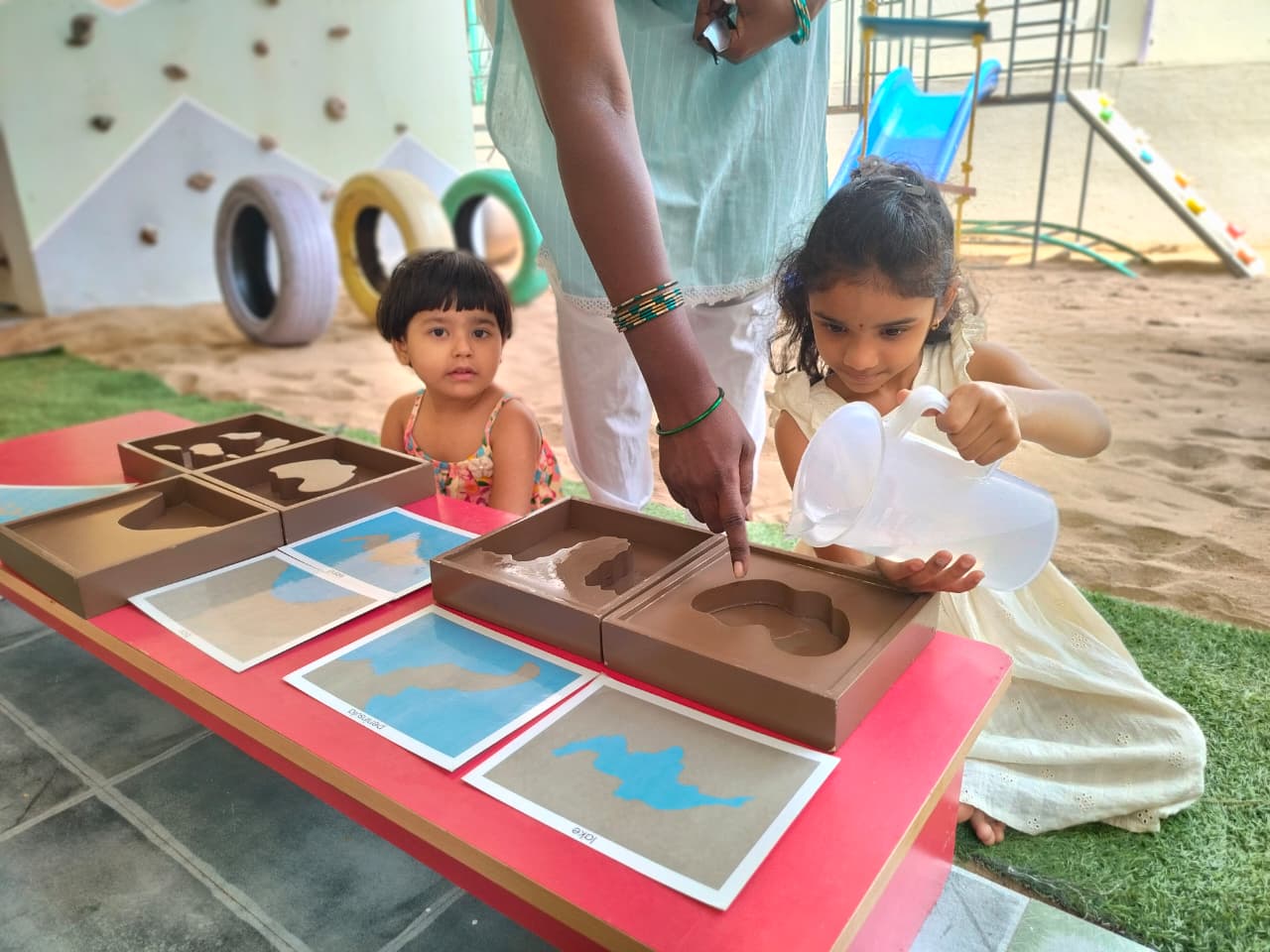
Montessori education has emerged as one of the most effective and holistic approaches to early childhood education. Rooted in the philosophy of Dr. Maria Montessori, it emphasizes nurturing a child’s natural curiosity and promoting independence. For parents in Guntur, selecting a Montessori school is a crucial step in shaping their child’s future.
Montessori teaching focuses on creating a child-centered learning environment that fosters creativity, critical thinking, and social development. Instead of conventional teaching methods, children learn through hands-on activities and self-directed exploration. This approach allows them to grasp concepts at their own pace, building confidence and a lifelong love for learning.
Guntur has seen a significant rise in Montessori schools, reflecting the city’s commitment to modern and innovative education. These schools offer a nurturing environment for children aged 2.5 to 6 years, laying the foundation for their academic, emotional, and social development. The city boasts several reputed Montessori schools equipped with trained educators, child-friendly infrastructure, and a curriculum tailored to individual learning needs.
The choice of a Montessori school plays a pivotal role in shaping your child’s formative years. Here’s why:
Conclusion
Selecting a good Montessori school in Guntur is not just about education- it’s about giving your child the right start in life. With numerous options available, parents should prioritize schools with trained staff, a strong reputation, and a commitment to holistic development. Choosing wisely ensures your child thrives academically, socially, and emotionally, setting the stage for lifelong success.
FAQs
1. What age is suitable for Montessori education?
Montessori education is ideal for children between 2.5 to 6 years, as this is a crucial stage for developing independence, motor skills, and early cognitive abilities.
2. How is Montessori education different from traditional schooling?
Unlike traditional methods, Montessori education focuses on self-directed learning, hands-on activities, and individualized pacing rather than teacher-led instruction and standardized testing.
3. What are the benefits of Montessori education for young children?
Montessori education helps children develop independence, confidence, problem-solving skills, creativity, and social responsibility, creating a strong foundation for lifelong learning.
4. How do Montessori teachers support a child’s learning?
Montessori teachers act as guides rather than instructors. They observe each child’s interests and abilities, providing personalized support and encouraging exploration and self-learning.
5. What should parents look for when choosing a Montessori school in Guntur?
Parents should consider factors such as trained Montessori educators, child-friendly infrastructure, safety measures, individualized learning approach, and the school’s overall reputation.